In 2025, Avid Organics planted 5,080 native trees near its Vadodara facility using the Miyawaki method. Each planting is maintained for four years to ensure sustained ecological benefit, supporting local biodiversity and improving air quality in the surrounding area.

Avid Organics' sustainability strategy aligns with leading ESG standards, including GRI, SASB, and the UN Sustainable Development Goals. Our approach is built around three core pillars:

Reducing our environmental footprint through renewable energy, resource efficiency, and innovation in green chemistry.

Protecting our people, promoting safety, and contributing positively to the communities where we operate.

Maintaining integrity, transparency, and compliance across every level of our organization.


Our R&D teams apply green chemistry principles to every stage of production, improving process efficiency, reducing waste, and minimizing the use of hazardous materials.

Our Vadodara facility operates with zero liquid discharge (ZLD) through advanced wastewater treatment, including multiple-effect evaporators. Since 2018, per-unit waste generation has decreased by 27%, alongside increasing production volumes.

By transitioning to 100% renewable electricity, we plan to eliminate Scope 2 emissions and strengthen our overall carbon performance.

Since 2018, we have achieved a 22% reduction in GHG emissions intensity through efficiency improvements and renewable energy adoption.
0%
absolute emissions reduction (Scope 1+2) by 2030
Net Zero
by 2050
Our emissions reporting follows

standards and is independently verified.
reinforce our commitment to continuous improvement and compliance.

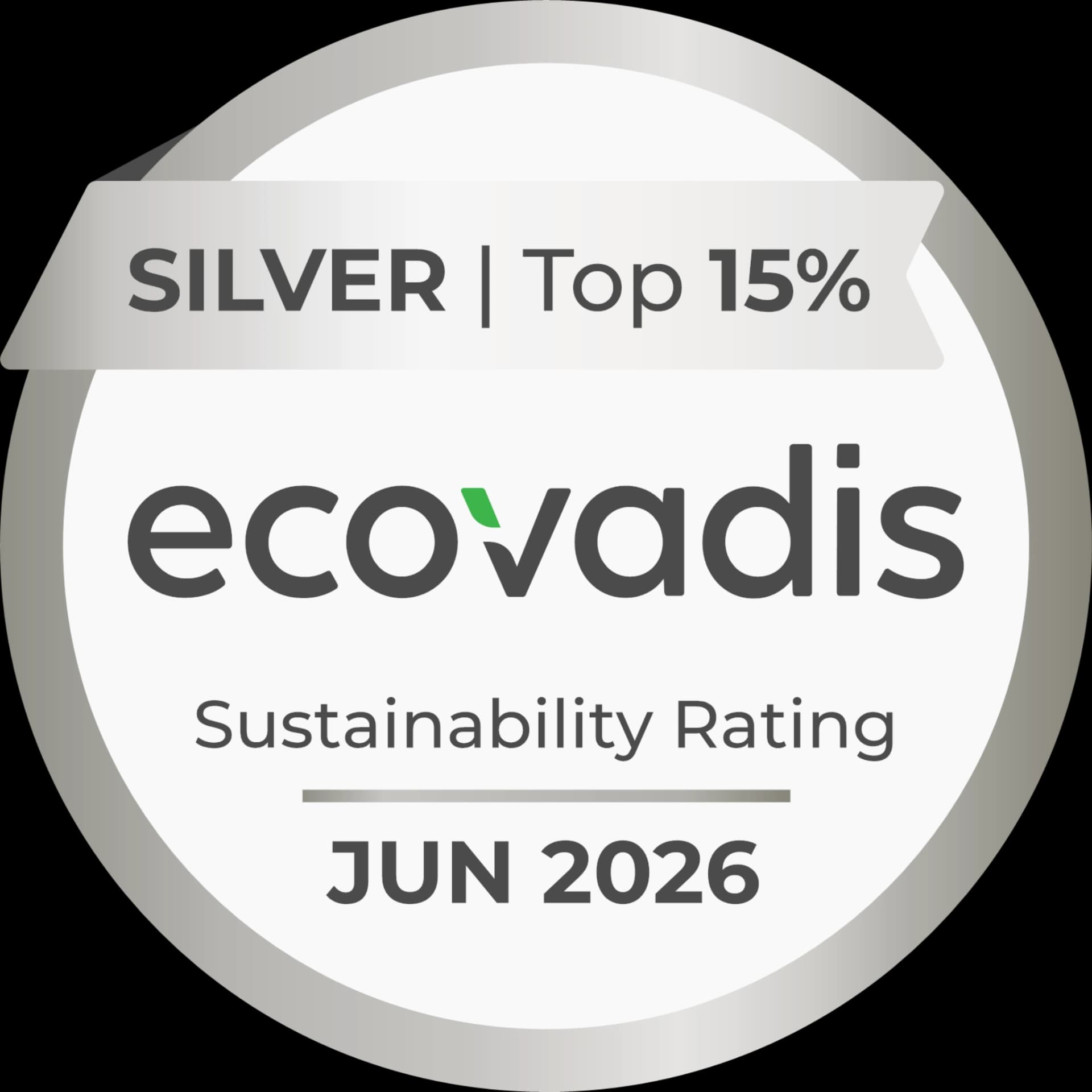
Avid Organics' operations meet globally recognized standards of quality, safety, and ethical management:






Building Trust Through Transparent Reporting
Avid Organics is committed to clear, verifiable ESG disclosure. Our sustainability reporting provides key metrics across environmental, social, and governance indicators, including:


Avid Organics' sustainability initiatives align with major international frameworks and goals:

Advancing Chemistry Toward a Low-Carbon Future
0%
reduction in absolute GHG emissions (Scope 1 & 2)
by 2030
0%
renewable energy across global operations
since 2025
Net Zero
by 2050


Social Responsibility
Ethical Standards
Employee Health & Safety
Community Engagement
Miyawaki Forest Initiative